
Throughout history, winemaking has evolved from rudimentary practices to increasingly sophisticated techniques. Ancient civilizations such as the Egyptians and Romans pressed grapes to extract juice and allowed fermentation to occur naturally. Over time, medieval monks and European producers refined methods of temperature control, yeast selection, and barrel aging, shaping the wines we know today. The distinction between white and red wines has always been linked to the contact between the must and the grape skins, which provide color and tannins.
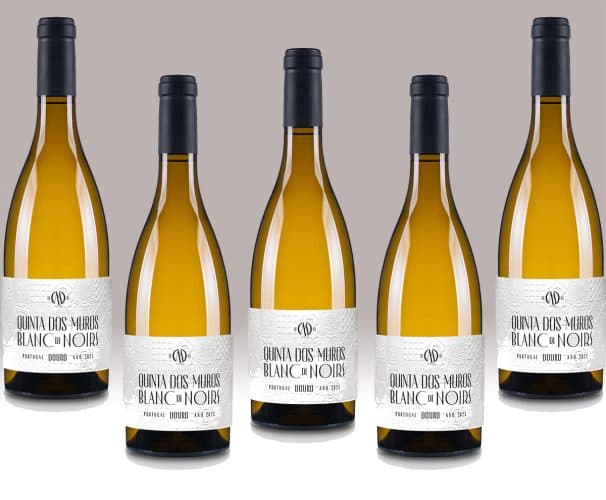
This is precisely where the possibility of producing white wine from red grapes arises. Although the skin is dark, the pulp of most red varieties is clear. If the winemaker presses the grapes and immediately separates the juice from the skins, the liquid ferments without acquiring pigmentation. This process results in a white wine, even though the raw material is a grape traditionally used for reds. The technique requires precision and speed, as any prolonged contact with the skin can alter the wine’s color and structure.
The most famous examples of this style are the Blanc de Noirs from Champagne, France, made with Pinot Noir and Pinot Meunier. In Argentina, producers have innovated with the White Malbec, surprising consumers with its delicate aromas. In Chile, experiments with Cabernet Sauvignon have also led to distinctive white wines. These regions show that beyond tradition, there is room for creativity and innovation in winemaking, expanding the possibilities for curious drinkers.
From a sensory perspective, these white wines made from red grapes often have more body and aromatic intensity than traditional whites. Notes of fresh red fruits, green apple, and white flowers may appear, depending on the variety used. In terms of pairing, they shine with light dishes such as white fish, seafood, and fresh cheeses, but can also accompany grilled poultry and refined salads. Blanc de Noirs sparkling wines are ideal for celebrations, combining freshness and complexity.
This sensory diversity opens the door to unique experiences. Consumers who prefer full-bodied reds but seek freshness find a balanced alternative in these wines. Meanwhile, lovers of traditional whites discover new layers of flavor and texture. Innovation, therefore, is not limited to technical aspects but extends to the pleasure of exploring unexpected combinations at the table.
In summary, producing white wine from red grapes is not only possible but also a well-established practice in some regions of the world. The technique of immediate pressing and fermentation without skins allows for original wines that combine tradition and boldness. Whether in Champagne, Argentina, or Chile, these labels offer distinct sensory experiences and versatile pairings. More than a curiosity, they represent wine’s ability to reinvent itself and continue to captivate generations.