
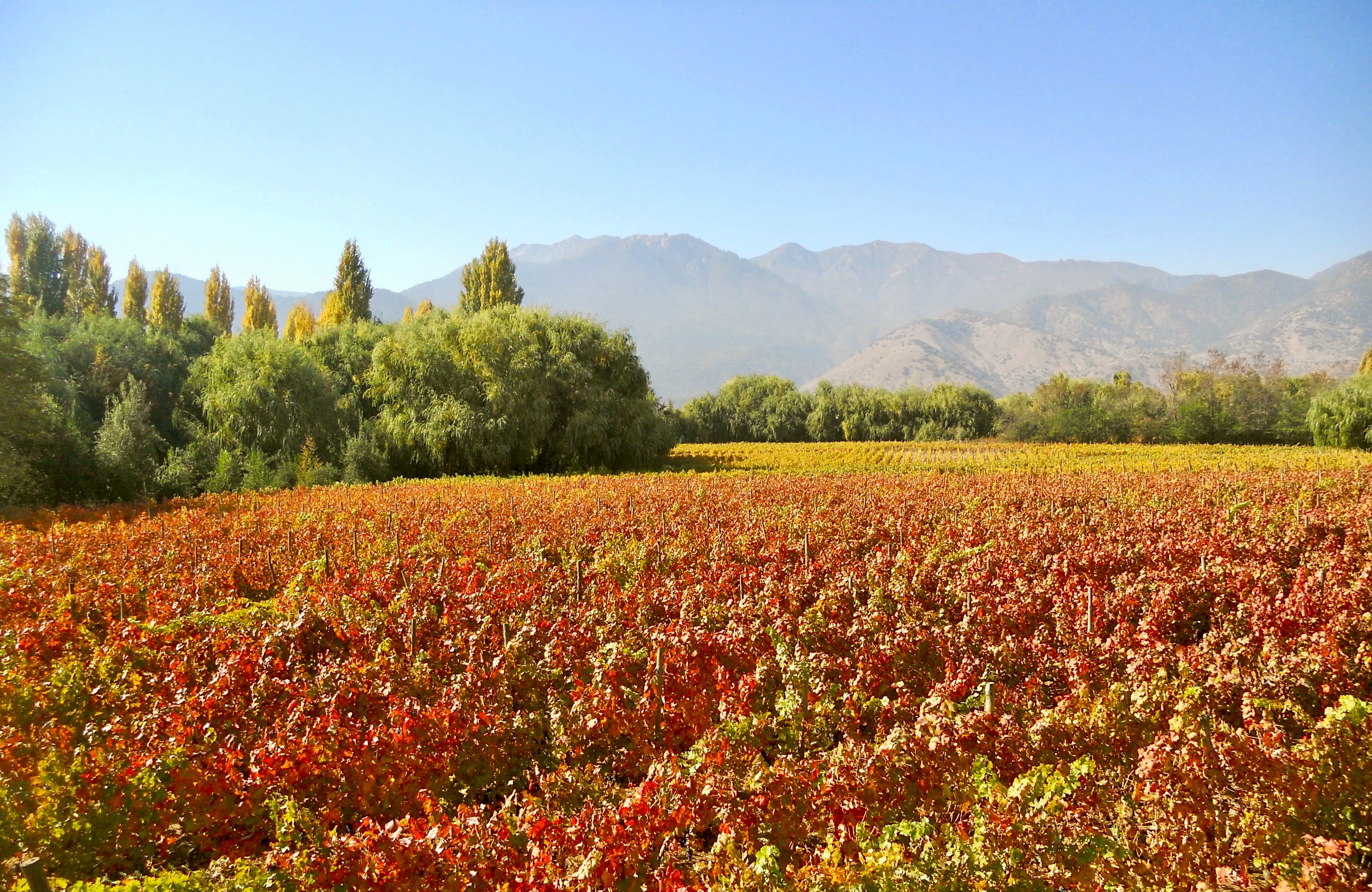
Few countries have transformed geography into a winemaking advantage as effectively as Chile.
Protected by the Pacific Ocean, the Andes Mountains, the Atacama Desert and Patagonia, Chile offers unique conditions for premium grape growing.
Today, Chile is among the world's leading wine-producing and exporting nations.
The Origins of Chilean Wine
Wine production began in the 16th century when Spanish missionaries introduced European grapevines around 1550.
Initially used for religious purposes, vineyards expanded rapidly across the Central Valley.
A major turning point came during the 19th century when French varieties such as Cabernet Sauvignon, Merlot and Sauvignon Blanc were introduced.
Unlike Europe, Chile escaped the phylloxera epidemic, preserving many ungrafted vines still cultivated today.
From Local Industry to Global Success
Modernization accelerated during the 1980s.
New technologies, international investment and export-oriented strategies transformed the industry.
Today Chile:
- Produces approximately 930 million liters of wine annually.
- Maintains around 126,000 hectares of vineyards.
- Operates more than 800 wineries.
- Supports over 100,000 direct jobs.
Main Wine Regions
- Maule Valley
- Colchagua Valley
- Maipo Valley
- Casablanca Valley
- Cachapoal Valley
- Curicó Valley
- Aconcagua Valley
Key Grape Varieties
- Cabernet Sauvignon
- Carmenère
- Merlot
- Syrah
- Sauvignon Blanc
- Chardonnay
Fascinating Facts
- Chile remains free from phylloxera.
- Carmenère was rediscovered in Chile during the 1990s.
- Vineyards stretch from desert environments to cool southern regions.
Award-Winning Producers
- Concha y Toro
- Viña Errázuriz
- Montes
- Santa Rita
- Lapostolle
Iconic Wines
- Don Melchor
- Seña
- Clos Apalta
- Viñedo Chadwick
- Almaviva
- Montes Alpha M
Looking Ahead
Sustainability, climate adaptation and terroir-focused winemaking are shaping the next chapter of Chilean wine.