
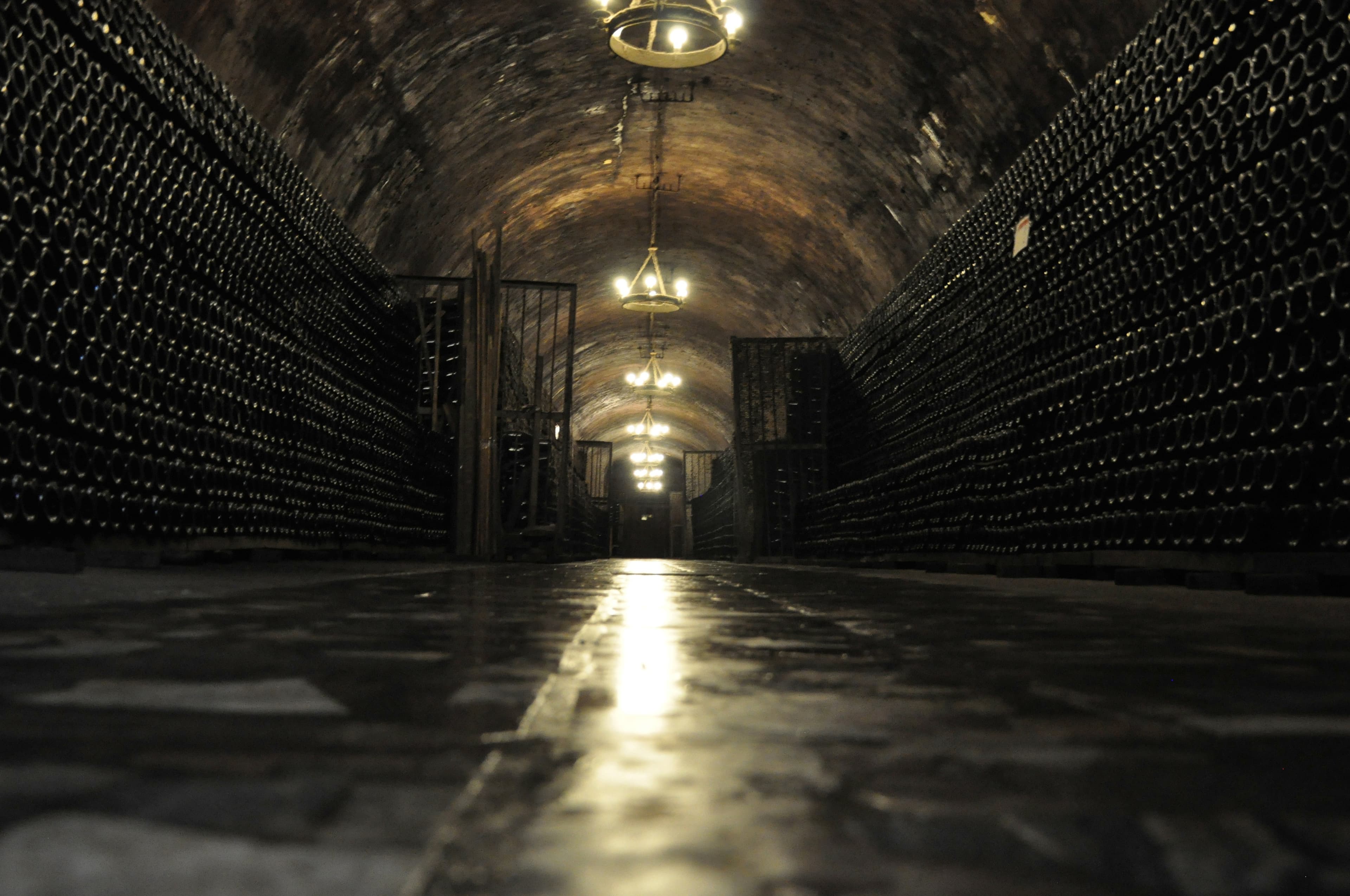
Almost everyone has heard that "good wine is old wine." It's a lovely saying, but a misleading one: the vast majority of wines are made to be drunk young, one to three years after the vintage. Only a small share of labels have the structure to evolve for five, ten, twenty years or more. And even those only get there if they're stored properly.
In this guide you'll learn why wine spoils, what the ideal storage conditions are, which methods work at home, and how to tell whether that special bottle can handle the wait.
Why Does Wine Spoil?
Wine is a living product. Inside the bottle, acids, tannins, alcohol, sugars and aromatic compounds keep reacting slowly. When conditions are good, those reactions make the wine softer and more complex. When they're bad, the wine loses fruit, freshness and balance. The main culprits are:
- Heat. This is enemy number one. Above 25 °C, wine ages too fast and can taste "cooked," like stewed fruit. A car trunk in summer or the top shelf of the fridge can ruin a bottle in a few weeks.
- Temperature swings. The ups and downs make the liquid expand and contract, push the cork and let air in. A slightly warm but stable temperature is less harmful than one that fluctuates every day.
- Oxygen. In small doses, coming through the cork, it helps the wine evolve. In excess, it oxidizes the wine: reds turn brownish and whites darken, with a smell of overripe apple or sherry.
- Light. Sunlight and fluorescent light, rich in ultraviolet, alter compounds in the wine and create unpleasant aromas. Sparkling wines and whites in clear bottles are the most sensitive.
- Dried-out cork. A cork-sealed bottle stored upright for a long time dries out the cork, which shrinks and lets air through.
- Vibration and strong smells. Constant vibration agitates the wine and interferes with its evolution. Strong smells (cleaning products, paint, spices) can pass through the cork over the course of months.
One important note: the infamous cork taint (wine that smells like wet cardboard or mold) is not the fault of storage. It's a rare contamination of the cork that is already present in the bottle.
Ideal Storage Conditions
| Factor | Ideal | Why |
|---|---|---|
| Temperature | 12 to 14 °C, stable | Slow, balanced evolution |
| Humidity | 60 to 75% | Keeps the cork elastic without making the label moldy |
| Light | Dark | Avoids reactions caused by ultraviolet light |
| Position | Lying down (cork-sealed bottles) | Moist cork, perfect seal |
| Environment | No vibration, no strong smells | Wine at rest |
Bottles with a screw cap can stand upright with no problem: there's no cork to dry out.
Storage Methods: From the Simplest to the Professional
1. A dark, cool corner of your home. For wines you'll open in the next few months, a closed cabinet is enough, away from the kitchen, the sun and appliances that give off heat. In Curitiba, with its mild climate, a cabinet in an interior room usually works well for most of the year. Avoid the laundry room, the barbecue area and the top of the fridge.
2. Climate-controlled wine cellar. This is the best option for those who buy often or want to store wine for years. Home models holding 8 to 30 bottles keep the temperature stable all year round. Choose compressor models, which hold the temperature better on hot days, and dual-zone ones if you store both whites and reds.
3. Passive cellar (basement). A cool, dark, humid basement is the classic European cellar. It's rare in Brazilian homes, but perfect when you have one.
4. The regular fridge. It works for chilling wine and for storing it for a few days or weeks. It's too cold for wine to evolve and too dry for the cork. It's not a place to keep wine for months.
Can Every Wine Be Stored for Years?
No. What allows a wine to age well is its structure: acidity, tannins, sugar and, in some cases, alcohol. These are wine's "natural preservatives."
Wines to drink young (within 2 or 3 years of the vintage):
- Sparkling wines like Prosecco, made to show off fresh fruit. Try the Tenuta Prosecco DOC Brut or the V8+ Prosecco Rosé Millesimato.
- Light, aromatic rosés and whites, such as the Quinta do Portal Trevo Vinho Verde Rosé and the Trapezio Vineyard Sauvignon Blanc.
- Young everyday reds, fruity and without long barrel aging.
- Wines with no added sulfites, such as the Château Le Plantey Sans Sulfites Médoc: sulfite protects wine, so without it, storage should be more careful and shorter.
Wines that gain with time (5, 10, 20 years or more, depending on the label):
- Structured reds from great regions, such as Barolo and Amarone. The Bricco Barolo DOCG, made with the Nebbiolo grape, and the Costa Arente Amarone Riserva DOCG have the tannins and acidity for many years in the cellar.
- Great Douro reds, such as the Quinta do Portal Grande Reserva Tinto and the Quinta do Portal Auru.
- Argentine reds for cellaring: the Trapezio Bobó line, with vintages from 2011 to 2015, is a great example of how a well-made Malbec evolves in the bottle.
- Structured whites with barrel aging, such as the great French Chardonnays. The Toques & Clochers St Polycarpe, from Limoux in the south of France, shows how a white can gain notes of honey, nuts and brioche over time.
What about Port? It depends on the style. Tawny Ports with an age statement (10, 20, 30 years) have already done their aging in the producer's barrels: they're ready to drink and won't improve in the bottle, but they won't spoil quickly either. Once opened, they last weeks or even a few months in the fridge. Check out the Quinta do Portal Old Tawny Porto 10 Year and the 20 Year. Vintage Port is the style made to evolve for decades in the bottle. LBV (Late Bottled Vintage) falls somewhere in between: it spends four to six years in barrel, arrives ready to drink and can still handle a few more years in the cellar. Try the Quinta do Portal Porto LBV 2018.
And Once Opened, How Long Does It Last?
With the bottle tightly closed (cork or stopper) and in the fridge:
| Wine | Lasts on average |
|---|---|
| Sparkling wine (with a proper stopper) | 1 to 3 days |
| Whites and rosés | 3 to 5 days |
| Reds | 3 to 5 days (take it out of the fridge half an hour before serving) |
| Ruby Port and LBV | 1 to 3 weeks |
| Tawny Port | 1 to 3 months |
Vacuum pumps and inert gas (argon) can help you gain a few extra days.
Summary in One Sentence
Store it in the dark, lying down, at around 12 to 14 °C and with no fluctuation, and remember that not every wine was made to wait: the light, fresh ones are for enjoying now; the structured ones can go into the cellar.
Want to build your own cellar? Browse our red wines, our Portuguese wines and our Italian ones, with delivery in Curitiba and the surrounding area within 48 business hours.
Enjoy responsibly. Sale prohibited to anyone under 18.